Reiki is a form of energy healing that has gained widespread recognition across the world for its gentle yet powerful approach to well-being. Rooted in Japanese tradition, Reiki is based on the belief that life energy flows through all living beings, and when this energy is balanced, the body, mind, and spirit thrive in harmony. Over the past century, Reiki has evolved from a relatively unknown practice into a holistic method reiki healing treatment by wellness enthusiasts, medical professionals, and those seeking alternative healing solutions. While some remain skeptical, millions of people report positive experiences with Reiki, making it one of the most respected complementary therapies available today.
At its core, Reiki is centered on the idea of “universal life energy. ” The word Reiki itself comes from two Japanese terms: “Rei, ” meaning universal or spiritual, and “Ki, ” meaning vital life energy. Practitioners of Reiki believe that this energy can be guided and channeled to promote healing, reduce stress, and restore balance. This concept is similar to other ancient healing systems such as Chinese Qi or Indian Prana. The founder of Reiki, Dr. Mikao Usui, developed the practice in Japan during the early 20th century after years of meditation, study, and spiritual training. Since then, Reiki has spread globally, adapting to different cultures while retaining its original principles.
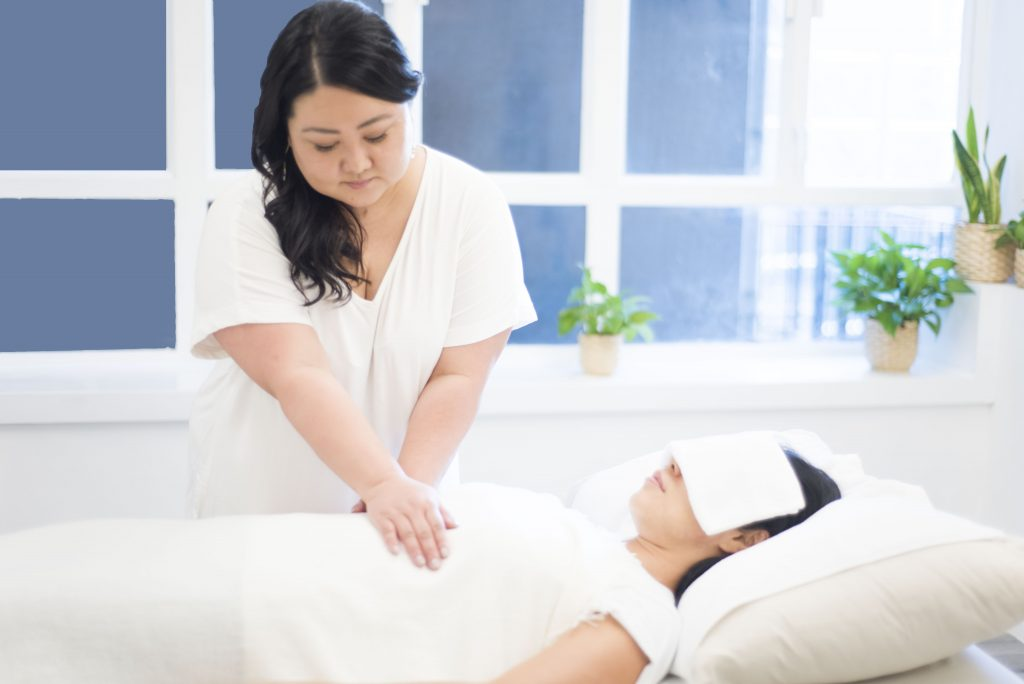
A typical Reiki session is calm, non-invasive, and deeply relaxing. The recipient lies fully clothed on a treatment table while the practitioner places their hands lightly on or just above the body in specific positions. Unlike massage or physical therapy, Reiki does not involve manipulation of muscles or tissue. Instead, practitioners act as channels of universal energy, allowing it to flow where it is needed most. Many people describe feeling warmth, tingling, or a sense of deep calm during a session. Some even report emotional release or mental clarity afterward. Scientific studies on Reiki remain limited, but research has shown promising results in areas such as stress reduction, improved sleep, and enhanced emotional well-being.
One of Reiki’s greatest strengths lies in its holistic nature. Unlike conventional medicine, which often focuses on treating symptoms, Reiki addresses the entire person—body, mind, and spirit. This does not mean that Reiki replaces medical treatment; rather, it complements it. Hospitals and clinics worldwide are increasingly integrating Reiki into patient care, especially for those undergoing surgery, chemotherapy, or chronic illness management. For example, Reiki has been found to help patients reduce anxiety before procedures and recover more comfortably afterward. Additionally, many practitioners use Reiki for self-care, practicing daily hand positions to maintain balance and energy flow in their own lives.
Another fascinating aspect of Reiki is its accessibility. Unlike some healing practices that require years of training, Reiki can be learned and applied by almost anyone. Training typically involves receiving “attunements” from a Reiki Master, which opens the student’s ability to channel universal energy. There are several levels of Reiki training, starting with Reiki I (focused on self-healing and treating others), Reiki II (which introduces distance healing and advanced techniques), and Reiki Master (allowing one to teach and attune others). Because of its simplicity, Reiki has become popular worldwide not only as a professional healing art but also as a personal wellness practice. Families often use Reiki to support each other, and individuals incorporate it into their daily lives to manage stress and maintain inner peace.
Despite its growing popularity, Reiki does face criticism from skeptics who argue that its effects cannot be scientifically proven. Critics often attribute its benefits to the placebo effect or the power of relaxation. However, supporters counter that even if relaxation plays a significant role, the outcome—improved well-being—is valuable in itself. Furthermore, ongoing studies continue to explore how energy-based practices like Reiki may influence the body’s biofield, nervous system, and stress response. What remains undeniable is the growing number of people who experience meaningful results from Reiki, whether physical, emotional, or spiritual.
In today’s fast-paced, stress-filled world, practices like Reiki provide a much-needed sanctuary of calm and healing. Whether used as a complementary therapy in hospitals, a tool for personal growth, or a way to connect more deeply with universal energy, Reiki offers something unique: the reminder that healing is not only about the body but also about the spirit and mind. While debates about its mechanisms continue, Reiki’s gentle touch, non-invasive nature, and holistic philosophy ensure its place in the evolving landscape of wellness and healing.
Ultimately, Reiki’s true power may lie not only in its ability to relieve stress or promote relaxation but also in its potential to reconnect us with ourselves and the world around us. In channeling universal life energy, Reiki reminds us that we are part of something greater—an interconnected flow of energy, life, and balance. Whether you seek relief from pain, emotional release, or simply a moment of peace in your day, Reiki offers an open path to healing that honors both tradition and the universal need for harmony.